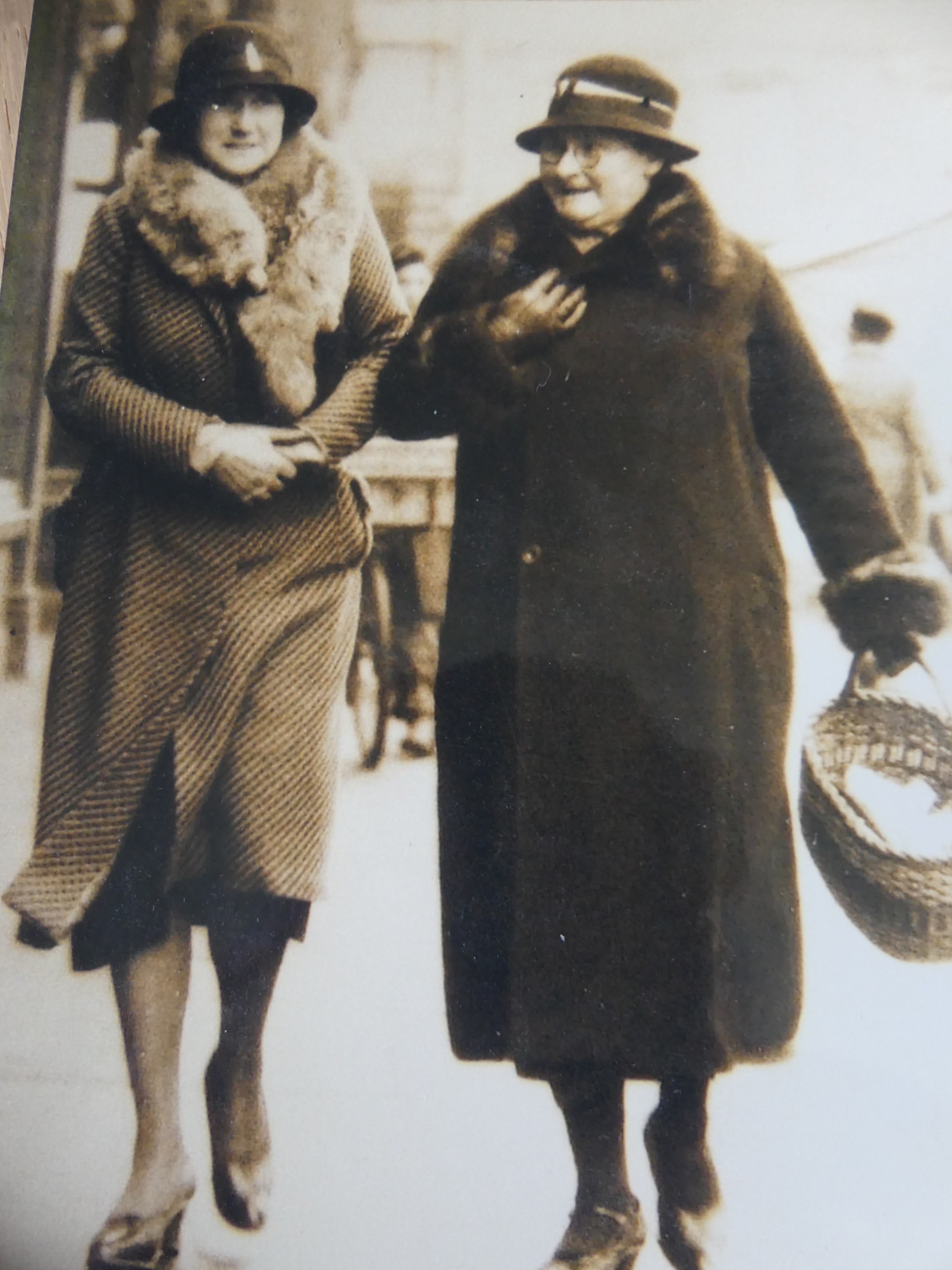
I wrote about living - totally by coincidence - in the same village as my Great, Great, Grandparents HERE.
A couple of weeks ago on the local Next Door or Facebook website, a local man was asking if anyone with my maiden surname was still in the village as someone from the North of England had traced ancestors back to the 1750s when they all lived in the village and she had contacted him for help. He put me in touch with the lady - Wendy - who lives in Chester - and after emails back and forth it turns out she is descended from the line of the older Sister of my Great, Great, Grandfather buried here.
She is a very enthusiastic amateur genealogist and had gone into the history of the family and turned up a bit of social history from the 18C that I was completely unaware of.
It's the story of the Home Migration Scheme This was set up between 1835 - 1837 under the auspices of the Poor Law Commissioners after the Poor Law Amendment Act of 1834. The scheme involved sending 5,000 people from the poorest farming areas of southern and eastern England up to the manufacturing districts of Derbyshire and Lancashire to work in the cotton mills.
My Great, Great, Grandfather George was born in 1830 the 5th child for Thomas and Eliza who had married in 1822 - also in the village. Thomas was a farm worker earning about 10 shillings a week (and nothing if the weather was too bad for working) and the family qualified for Poor Relief from the Parish coffers.
In 1836 the family- by then there were 8 children - were among 2,000 people taken (probably no choice given) from Suffolk by horse and cart to London and then travelling up to Derbyshire by canal boat.
In Derbyshire the family worked for a Horace Mason who leased the Lumford cotton mill in Bakewell from the Arkwright family. They were there on a three year contract and Thomas and 4 of the children (aged 14, 12, 11 and 10) worked in the Mill as cotton spinners. (Younger children also worked in the mills at the time- working under the spinning and weaving machines - clearing up the waste). Together they would have earned about 24 shillings a week. - A lot more than his wages in Suffolk.
The family were still in Derbyshire in the 1841 census and by then there were 11 children in the family and they had moved to another mill at Darley Abbey Mill Village.
By 1843 they were back in my village and four more children were born.
So Great, Great Grandfather George was one of 15 children - he was born in my village, moving to Derbyshire and then back again, working like his father as a farm labourer and dying in the village in 1900.
Wendy wondered why the family would have come back to Suffolk after their time in Derbyshire but I said it was probably because Suffolk was their home and when you are born here and raised here it's always home and the only place they would have felt settled. .......like me.
Back Soon
Sue