Showing posts with label The Wainwright Book Prize. Show all posts

27 September 2025

This Week

 Well,  I didn't get the shingles vaccination in the week , the nurse took my blood pressure as she said it hadn't been done for a while, which as usual was way too high and of course it says in my notes that I should be on tablets for it  - and I'm not, I didn't like the side effects. She made me sit in the waiting room for 15 minutes and then took it again - it had gone down a bit but still way too high. So she wouldn't do the jab and instead I came home with a BP monitor again and an appointment to see a doctor after a week of monitoring at home. I explained that I didn't want to take any other medications but they don't like to let you out without being seen to do something if BP is high. At least the monitors have been updated,  no longer do the give out the 24 hour ones that wake you up in the night - adding stress. And previously I've had to wait to collect one on another day but they must have bought more as I was given one straight away. I go back next week for an appointment I don't want and then hopefully the vaccination afterwards.

More garden clearing got done once the bin was emptied on Monday. Just the grass cuttings some Buddleia branches and one huge courgette plant and the bin was practically full again. I'll have to wait for it to settle a bit before I can get anything else in and there is still so much to clear.

Snooker on TV has been keeping me company during the week, it's on ITV4 so plenty of ads between the frames and I noticed how many charity ads there are at the moment - there are always lots but seemed even more than usual. Obviously they think people who watch snooker are easy targets or wealthy. I wonder how much these ads cost to produce and screen.
There was RSPCA, Sightsavers, Save the Children, Donkey Sanctuary, Guide Dogs, Cat's Protection and several others that I can't remember. They would all like you to give 'just' £2 a month which to me doesn't sound enough to cover the administration costs. I prefer to give more each month but to just one charity so there is some actually left after they've taken their costs.
And as I watch them all I remember how many direct debits to charities Col's Dad had been persuaded to set up as he struggled with the brain tumour and confusion at the end of his life. No one knew until after he died just how many and for some very odd charities too.


I raced through one of my library books, tried two others and didn't like the way they were written, so I'm definitely going to be short of library book reading. Then I read this which was in the Wainwright Prize for Nature Writing Short List - which I'd totally forgotten about this year. I usually give it a mention and a link - HERE is the long list and prize winners - nearly two months after the prizes were awarded.
I enjoyed this book and the lovely descriptions of a remarkable place.


The amazon info says.........................

Reeling from the pain of devastating miscarriages and suffering from PTSD after military adventures in Afghanistan, Merlin and his wife Lizzie decide to leave the bustle of London and return to Merlin’s childhood home, a Cornish hill farm called Cabilla in the heart of Bodmin Moor.

There, they are met by unexpected challenges: a farm slipping ever further into debt, the discovery that the overgrazed and damaged woods running throughout the valley are in fact one of the UK’s last remaining fragments of Atlantic temperate rainforest, and the sudden and near catastrophic strickening by Covid of Merlin’s father, the explorer Robin. As they fall more in love with the rainforest that Merlin had adventured in as a child, so begins a fight to save not only themselves and their farm, but also one of the world’s most endangered habitats.

Our Oaken Bones is an honest and intimate true story about renewal, the astonishing healing power of nature, and our duty to heal it in return.


Have a good weekend, I'll be back Monday.


16 July 2024

Wainwright Book Prize 2024

 The Longlist for the Wainwright Prize for Nature Writing was released on Friday. It's the only book prize I like to look at and most years I've already read some of them. 

This year I've not read a single one - but I have got Bothy on order from the library and will get around to the Garden Against Time by Olivia Laing sometime as she lives in Suffolk.

More information about the 2024 Longlist is HERE . If you like different sorts of nature writing this is a good place to find out more about some that have been popular this year.

24 July 2023

The Wainwright Book Prize

Each July I always look to see what's in the Wainwright Prize Long List for Nature writing. Some years I've already read one or two but not this year. 

This is the description from their website

This year’s James Cropper Wainwright Prize for Nature Writing longlist is rich and abundant with unique tales of our natural world. Interweaving stories of the sublime natural landscape around us with personal narratives, this year’s talented longlisted authors seek refuge and knowledge in nature both on their doorstep and afar, connecting with the ebbs and flows of nature that continue amid tragedy and love. The ancient land, ritual and myth is elsewhere explored, as authors navigate the complexities and meaning of place, time and home. Strong voices and lyrical prose abound, will all our authors ultimately exploring how nature defines us as humans, and the urgent need to protect it at all costs.
 
These are the 12 books in the longlist and the only one I'd come across during the last year is the book by Raynor Winn and I didn't read it - too much description of serious illness - which is something that I can't read about now.
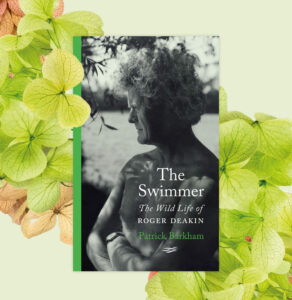
 

The Swimmer: The Wild Life of Roger Deakin, Patrick Barkham 

The definitive biography of Roger Deakin, beloved author of cult classic Waterlog. Delving deep into Roger Deakin’s library of words, Patrick Barkham draws from notebooks, diaries, letters, recordings, published work and early drafts, to conjure his voice back to glorious life in The Swimmer.
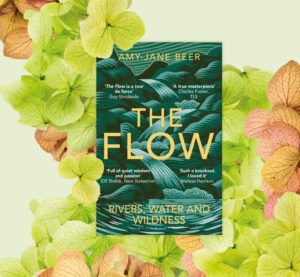


The Flow: Rivers, Water and Wildness, Amy-Jane Beer 

A visit to the rapid where she lost a cherished friend unexpectedly reignites Amy-Jane Beer’s love of rivers, setting her on a journey of discovery. Threading together places and voices from across Britain, The Flow is a profound, immersive exploration of our personal and ecological place in nature.
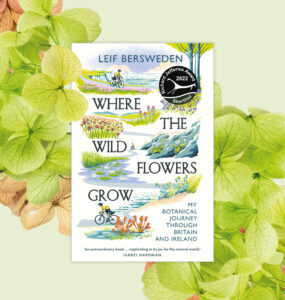


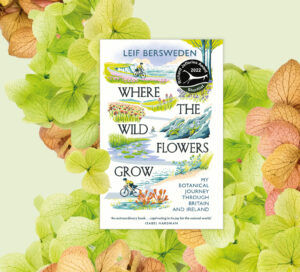
Where the Wildflowers Grow, Leif Bersweden

Leif Bersweden has always been fascinated by wild plants, but it is a landscape that is fast disappearing. Climate change, habitat destruction and declining pollinator populations mean that the future for plant life looks bleaker than ever before. Many of us are also unable to identify, or even notice, the plants that grow around us.

Now a botanist, Leif goes on a journey around the UK and Ireland, highlighting the unique plants that grow there, their history and the threats that face them, proving that nature can be found in the most unexpected places. An intriguing and timely exploration of the importance of Britain and Ireland’s plant life. 


Twelve Words for Moss, Elizabeth-Jane Burnett
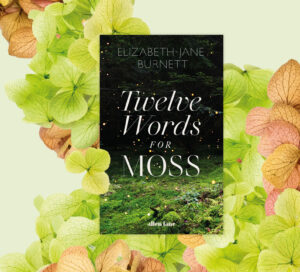
Glowflake, Rocket, Small Skies, Kind Spears, Marilyn . . .

Moss is known as the living carpet, but if you look really closely, it contains an irrepressible light. In Twelve Words for Moss, Elizabeth-Jane Burnett celebrates the unsung hero of the plant world with her unique blend of poetry, nature writing and memoir. Making her way through wetlands from Somerset to Country Tyrone, Burnett discovers the hidden vibrancy of these overlooked spaces, renaming her favourite species of moss as she recovers from her grief at her father’s death and draws inspiration from the resilience and tenacity of her plant – and human – friends.
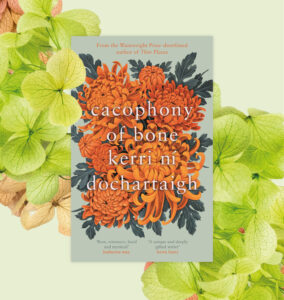
 

Cacophony of Bone, Kerri nĂ­ Dochartaigh

Two days after the Winter Solstice in 2019, Kerri and her partner moved to a small, remote railway cottage in the heart of Ireland. The pandemic arrived and their isolated home became a place of enforced isolation. It was to be a year unlike any we had seen before. But the seasons still turned, the swallows came at their allotted time, the rhythms of the natural world went on unchecked. For Kerri there was to be one more change, a longed-for but unhoped for change.

Cacophony of Bone maps the circle of a year – a journey from one place to another, field notes of a life – from one winter to the next. Fragmentary in subject and form, fluid of language, this is an ode to a year, a place, and a love, that changed a life.


Sea Bean, Sally Huband
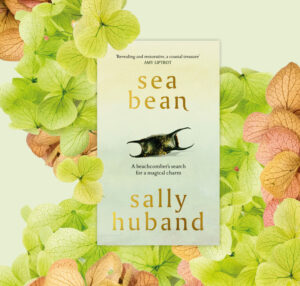
Sea Bean is a lyrical and evocative story of communion with nature on the stormy beaches of Shetland. When pregnancy triggers a chronic illness, Sally Huband begins beachcombing – a path that opens a world of ancient myths, fragile ecology, and deep human history; a path that brings her to herself again. 
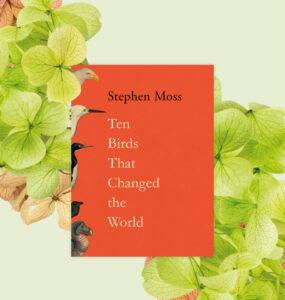


Ten Birds That Changed The World, Stephen Moss 

For the whole of human history, we have shared our world with birds.

We have hunted and domesticated them for food, fuel and feathers; placed them at the heart of our rituals, religions, myths and legends; poisoned, persecuted and often demonised them; and celebrated them in our music, art and poetry.

This is the story of that long and eventful relationship, told through ten birds whose lives – and interactions with our own – have changed the course of human history.
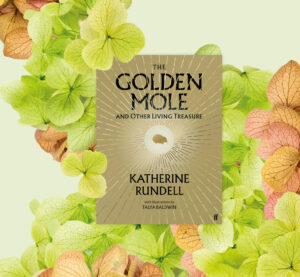

The Golden Mole: And Other Living Treasure, Katherine Rundell, illustrated by Talya Baldwin

A lavishly illustrated compendium of the staggering lives of some of the world’s most endangered animals, The Golden Mole is a chance to be awestruck and lovestruck – to fall for the likes of the wondrous Pygmy Hippo, the seahorse, the narwhal and, as astonishing and endangered as them all, the human.
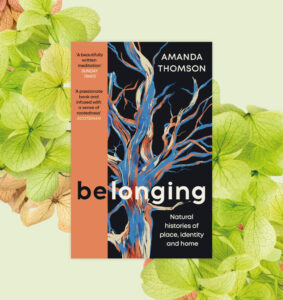


Belonging, Amanda Thomson 

Reflecting on family, identity and nature, belonging is a personal memoir about what it is to have and make a home. It is a love letter to nature, especially the northern landscapes of Scotland and the Scots pinewoods of Abernethy.

Beautifully written and featuring Amanda Thomson’s artwork and photography throughout, it creatively explores how place, language and family shape us and make us who we are. It is a book about how we are held in thrall to elements of our past, it speaks to the importance of attention and reflection, and will encourage us all to look and observe and ask questions of ourselves. 
 

Why Women Grow: Stories of Soil, Sisterhood and Survival, Alice Vincent

Women have always gardened, but our stories have been buried with our work. Alice Vincent is on a quest to change that. To understand what encourages women to go out, work the soil, plant seeds and nurture them, even when so many other responsibilities sit upon their shoulders. To recover the histories that have been lost among the soil.

Why Women Grow is a much-needed exploration of why women turn to the earth, as gardeners, growers and custodians. Alice fosters connections with gardeners that unfurl into a tender exploration of women’s lives, their gardens and what the ground has offered them, with conversations spanning creation and loss, celebration and grief, power, protest, identity and renaissance. 
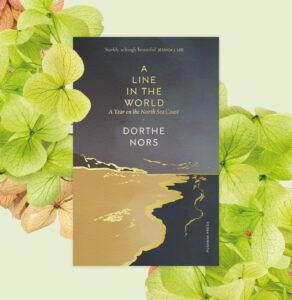


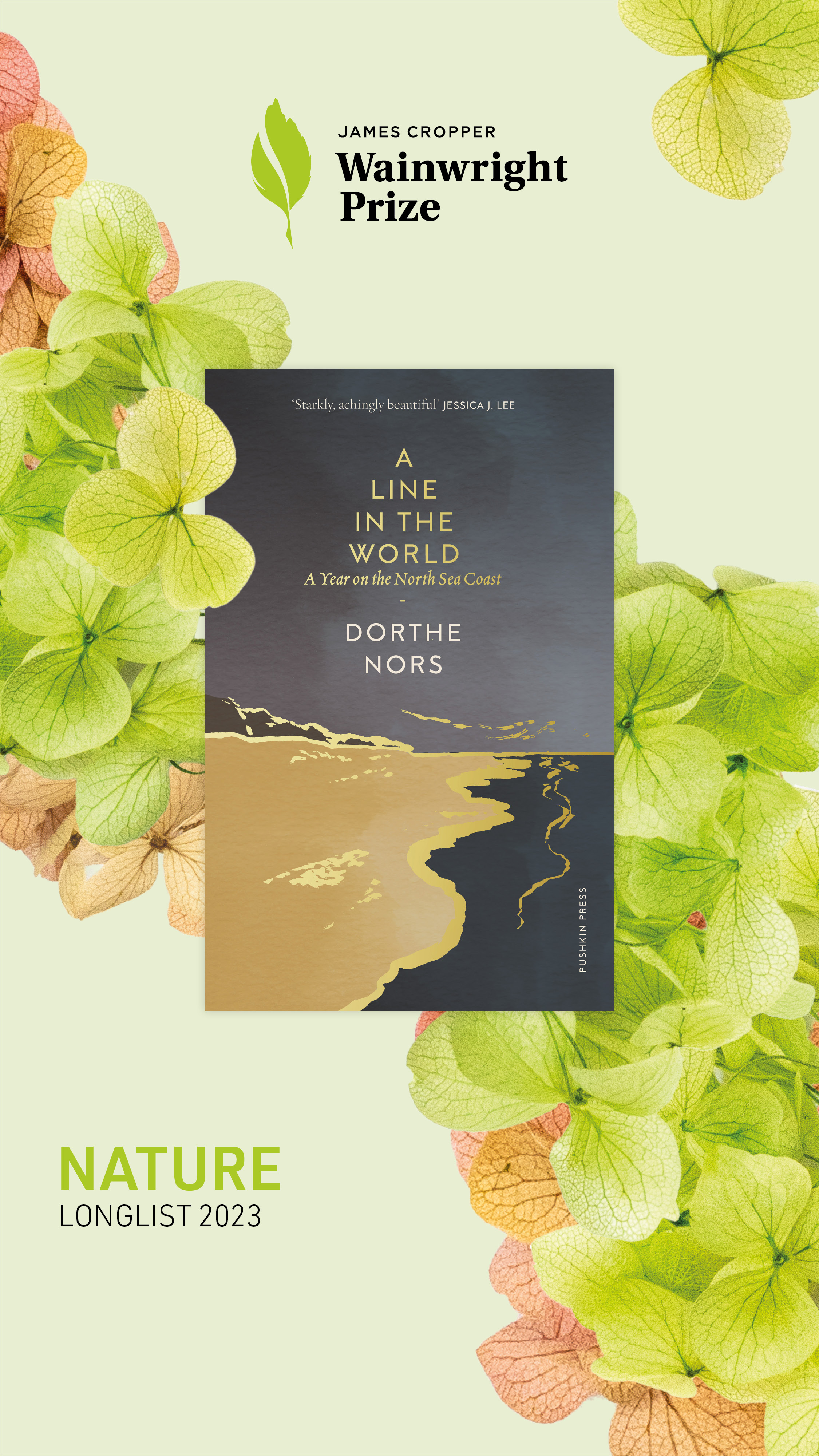
A Line in the World: A Year on the North Sea Coast, Dorthe Nors, translated by Caroline Waight

This is the story of the windswept coastline that stretches from the northernmost tip of Denmark to the Netherlands, a world of shipwrecks and storm surges, of cold-water surfers and resolute sailors’ wives. In spellbinding prose, award-winning writer Dorthe Nors invites the reader to travel through the landscape where her family lived for generations and which she now calls home. It is an extraordinarily powerful and beautiful journey through history and memory – the landscape’s as well as her own.


Landlines, Raynor Winn
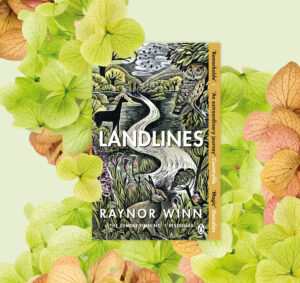
Written in her trademark luminous prose, Landlines is the inspirational story of Raynor and her husband Moth who, faced with the latter’s ailing health, embark upon a healing journey from North-west Scotland back to the familiar shores of the South-west Coast Path. On their incredible thousand-mile walk, Raynor and Moth map the landscape of an island nation facing an uncertain path ahead.


I've reserved Cacophony of Bone from the library for now and might order others later.

Back Tomorrow
Sue

27 June 2022

Wainwright Book Prize for Nature Writing Long List

 The Wainwright Prize for Nature Writing is the only book prize I have a look at when they release the long list. This is it for 2022

  • Otherlands: A World in the Making, Dr Thomas Halliday
  • Otherlands: A World in the Making - A Sunday Times bestseller
  • 12 Birds to Save Your Life: Nature’s Lessons in Happiness, Charlie Corbett

 12 Birds to Save Your Life: Nature's Lessons in Happiness

Goshawk Summer: A New Forest Season Unlike Any Other, James Aldred

Goshawk Summer: The Diary of an Extraordinary Season in the Forest


  • Much Ado About Mothing: A year intoxicated by Britain’s rare and remarkable moths, James Lowen


Much Ado About Mothing: A year intoxicated by Britain’s rare and remarkable moths

  • On Gallows Down: Place, Protest and Belonging, Nicola Chester 


  • Shadowlands: A Journey Through Lost Britain, Matthew Green 

 Shadowlands: A Journey Through Lost Britain

 The Heeding, Rob Cowen, illustrated by Nick Hayes 

The Heeding


The Instant, Amy Liptrot


  • The Sea Is Not Made of Water: Life Between the Tides, Adam Nicolson


The Sea is Not Made of Water: Life Between the Tides


  • The Trespasser’s Companion, Nick Hayes


The Trespasser's Companion

  • Time on Rock: A Climber’s Route into the Mountains, Anna Fleming (Canongate)


 Time on Rock: A Climber's Route into the Mountains


  • Wild Green Wonders: A Life in Nature, Patrick Barkham 

Wild Green Wonders: A Life in Nature

 I haven't looked them up to find out more as yet and usually when the long list is announced I find I've at least read one during the year but this time none at all so I've ordered the '12 Birds To Save Your Life' and 'The Sea is Not Made of Water' from the library then I'll find out about the others.

Other posts about this prize in previous years are HERE.  

Back Tomorrow
Sue

19 August 2021

Swifts

 This small book  contains all you ever want to know about Swifts unless you are even more obsessed than the author.


It's been shortlisted for The Wainwright Book Prize for nature writing.

The Publishers  website describes the book............................... 

 Swifts live in perpetual summer. They inhabit the air like nothing on the planet. They watched the continents shuffle to their present places and the mammals evolve. They are not ours, though we like to claim them. They defy all our categories and present no passports as they surf the winds across the world, sleeping in the high thin air, their wings controlled by an alert half-brain. Common swifts – a numerous but profoundly un-common bird – are Charles Foster’s joy and obsession. The euphoria of their springtime arrival gives way to such painful bereavement when they depart that he tries to stay with them – manically, lyrically, scientifically – as they travel, catching up with them in Mozambique, over the cliff-tops of southern Spain, and as they mingle with worshippers at the Western Wall in Jerusalem.
Fiercely rejecting the idea that swifts are ‘just’ birds – indeed that anything is ‘just’ anything – The Screaming Sky is a radical engagement with the infinite complexity of a species. It steps back, looks to the skies, and stands in awe of these magnificent birds.

The only place I've lived and been able to see swifts all summer was during our year in the very small Ipswich bungalow. Looking up almost anytime they were always about - there must have been good high nesting places in town. At the smallholding and at Clay Cottage they could be spotted occasionally  but never everyday through the summer. Here in the village there are some that use an old pub for nesting and I've seen them several times when walking down that road.

 I should think they've left early this summer to fly south - the weather has been horrible. As I type this it is 14℃ and raining. At the moment it sounds good to be a swift and follow the summer!  
 
An interesting read and as I often say................thank goodness for the library......otherwise I wouldn't have read it.

Back Tomorrow
Sue


06 July 2021

The 2021 Wainwright Prize for Nature Writing

 Each year when the long list for this award is released I like to have a look to see which I've read already.
It's the only book prize that has books that interest me
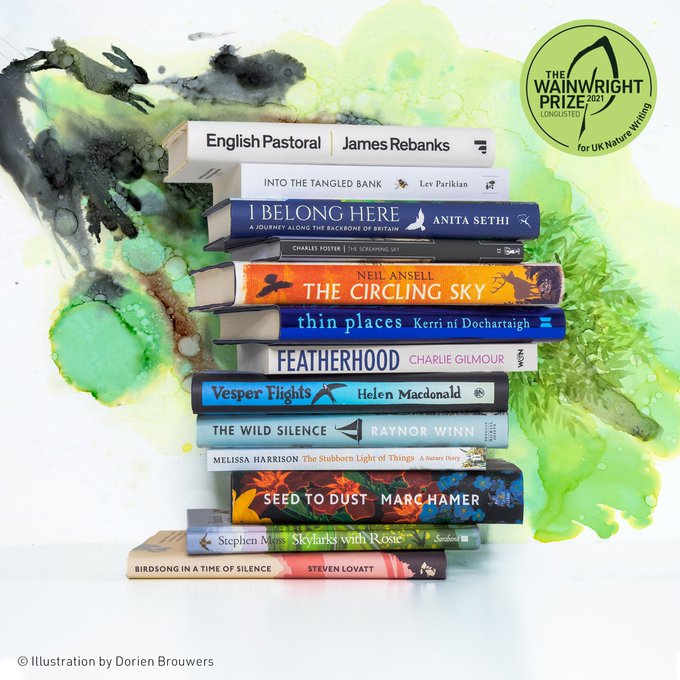
Image
Just one read so far - The Wild Silence by Raynor Winn. I borrowed English Pastoral from the library in December but didn't read it for some reason. I've read other books by Neil Ansell and Melissa Harrison but not those mentioned above.Most are in stock in the library and The Circling Sky will be ready for me to collect later this month. I may well get around to reading some of the others sometime.

 
And  HERE  are my other posts about the Book Prize list in previous years 
 
Back Tomorrow
Sue

09 June 2020

The 2020 Wainwright Book Prize for Nature Writing

The long list for this prize has been announced. It's the only book prize that gets me interested.

This is the UK nature writing long list
Wainwright Prize Nature Writing

2020 Longlist for Nature Writing

13 books in the long list and out of these I've tried 2 but didn't finish either. Several had popped up on my recommended for you amazon list but there are two there that I hadn't come across at all. I've added several to my list to order when libraries get going again. One is on order waiting until it comes out in paperback - free with my Shop4all voucher and one I decided to buy straightaway as it sounded so good.

Bird Therapy by Joe Harkness

Wainwright Prize Nature Writing

When Joe Harkness suffered a breakdown in 2013, he tried all the things his doctor recommended: medication helped, counselling was enlightening, and mindfulness grounded him. But nothing came close to nature, particularly birds

Dancing with Bees by Brigit Strawbridge Howard

Wainwright Prize Nature WritingDancing with Bees is Brigit Strawbridge Howard’s eloquent, captivating account of her ‘return to noticing’ the natural world around her. With special attention to the plight of pollinators, Brigit shares her journey to rediscover nature; filled with fascinating details of the lives of flora and fauna that bring her ever-increasing wonder and delight.

Dark, Salt, Clear by Lamorna Ash

Wainwright Prize Nature WritingA captivating portrait of life in the Cornish town of Newlyn, the largest working fishing port in Britain, from a strikingly original new voice. Dark, Salt, Clear is an evocative journey of personal discovery replete with the poetry and deep history of our fishing communities.

  Diary of a Young Naturalist by Dara McAnulty

Wainwright Prize Nature WritingDiary of a Young Naturalist chronicles the turning of 15-year-old Dara McAnulty’s world. From spring and through a year in his home patch in Northern Ireland, Dara spent the seasons writing. These vivid, evocative and moving diary entries about his connection to wildlife and the way he sees the world are raw in their telling

Native: Life in a Vanishing Landscape by Patrick Laurie

Wainwright Prize Nature WritingGalloway is a place forgotten – a vague, half-imagined corner of Scotland that has fallen off the map. Patrick Laurie returns to his homeland, to establish a herd of native cattle on the hills above the Solway Firth and encounters the final passing of an ancient rural heritage.

On the Red Hill by Mike Parker

Wainwright Prize Nature WritingOn the Red Hill is the story of Rhiw Goch, ‘the Red Hill’, and its inhabitants, but also the story of a remarkable rural community and a legacy that extends far beyond bricks and mortar. It is a story that celebrates the turn of the year’s wheel, of ever-changing landscapes, and of the family found in the unlikeliest of places.

Rootbound by Alice Vincent

Wainwright Prize Nature WritingWhen she suddenly finds herself uprooted, heartbroken, living out of a suitcase and yearning for the comfort of home, Alice Vincent starts to plant seeds. She nurtures pot plants and vines on windowsills and draining boards, and with each unfurling petal and budding leaf, she begins to come back to life.

Surfacing by Kathleen Jamie

Wainwright Prize Nature WritingIn her luminous new essay collection, Kathleen Jamie visits archaeological sites – a Yup’ik village at the edge of the Bering Sea, the shifting sand dunes of an Orkney island – and mines her own memories and family history, to explore what surfaces and what reconnects us to our past.

The Frayed Atlantic Edge by David Gange

Wainwright Prize Nature WritingIn one brilliant adventure over the course of a year, David Gange kayaked the coasts of Atlantic Britain and Ireland, every inlet and every island. This book tells that story, and gives a social history of our coasts which for centuries were vital hubs for communication and trade but can often now be neglected.

The Well Gardened Mind by Sue Stuart-Smith

Wainwright Prize Nature WritingHow can working with nature help us to cultivate our mental health? In a powerful combination of neuroscience, psychology and brilliant anecdotes, this book uncovers the enormous value of gardening and getting outdoors from prison rehabilitation programmes to PTSD recovery to the benefits for the everyday gardener.

Wanderland by Jini Reddy

Wainwright Prize Nature WritingWanderland is about Jini’s journey to connect with the magical ‘other’ the landscape in Britain, to develop a more spiritual, intimate and reciprocal relationship with nature. It has a timely eco-spiritual edge and is a blend of memoir and nature writing which touches on themes of well-being, identity and belonging.

Wild Child by Patrick Barkham

Wainwright Prize Nature WritingFrom climbing trees and making dens, to building sandcastles and pond-dipping, many of the activities we associate with a happy childhood take place outdoors. And yet, the reality for many contemporary children is very different.

Wintering by Katherine May

Wainwright Prize Nature WritingWintering is a poignant and comforting meditation on the fallow periods of life, times when we must retreat to care for and repair ourselves. Katherine May thoughtfully shows us how to come through these times with the wisdom of knowing that, like the seasons, our winters and summers are the ebb and flow of life.

This is the longlist for books for the global conservation prize HERE
Haven't read or even seen any of these.

Back Tomorrow
Sue

15 July 2019

A Shortlisted Book

Once again I have read a book that's been shortlisted for The Wainwright Book Prize. This prize is for UK nature and travel writing and is the only Book Prize that has books that I can understand........many book prizes are for weird books! ....and I know that's a terrible generalization.

HERE is where I wrote about 2018 Wainwright prize books

And this is the one just finished from the 2019 shortlist


 Juliet Blaxland lives in a house almost on the edge of the cliffs just north of Southwold in Suffolk. In a few years or maybe even less the house will be demolished as the sandy cliffs fall away into the sea.
This small book is a look through the years she has lived here, the wildlife and the people around and the things that make Suffolk so different and special.
It was a very quick read but I enjoyed it.


Thought I would look back at the history of The Wainwright Prize to see which books I'd read from previous years.

2014 was the first year This was the shortlist and I haven't read any 

The Green Road Into Trees: A Walk Through England, by Hugh Thomson (Windmill/Random House)  

Under Another Sky, by Charlotte Higgins (Vintage PB / HB Jonathan Cape) 

Badgerlands, by Patrick Barkham ( Granta Publications) 

 Field Notes from a Hidden City, by Esther Woolfson (Granta Publications)

 Walking Home, by Simon Armitage (Faber

The Old Ways, by Robert Macfarlane (Penguin)


In 2015, Oh, haven't read any of these either! (although I tried H is for Hawk but didn't finish it)

Meadowland by John Lewis-Stempel (Transworld Publishers)

Claxton: Field Notes from a Small Planet by Mark Cocker (Vintage, Penguin Random House)

H is for Hawk by Helen Macdonald (Vintage, Penguin Random House)

Rising Ground: A Search for the Spirit of Place by Philip Marsden (Granta Publications)

Running Free: A Runner’s Journey Back to Nature by Richard Askwith (Vintage/Yellow Jersey, Penguin Random House)

The Moor by William Atkins (Faber & Faber)

2016. At last - I've actually read one..........The Shepherds Life

The Outrun by Amy Liptrot

Common Ground by Rob Cowen

Landmarks by Robert Macfarlane

The Fish Ladder by Katharine Norbury

The Moth Snowstorm by Michael McCarthy

The Shepherd’s Life by James Rebanks

 2017........Better ....I've read 2 out of the shortlist....The January Man and The Running Hare

 Where Poppies Blow by John Lewis Stempel

Love of Country by Madeleine Bunting

The January Man by Christopher Somerville

The Otters’ Tale by Simon Cooper

 The Running Hare by John Lewis-Stempel

The Wild Other by Clover Stroud

 Wild Kingdom by Stephen Moss

 From the 2018 list mentioned at the top of the blog I had read 3.

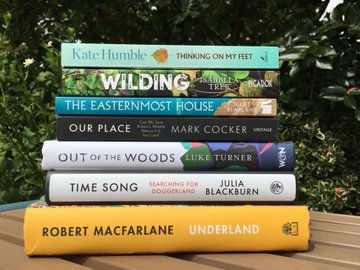
So I ought to read 4 from this year's short list, pictured below .....but doubt I will.

View image on Twitter
Picture from Wainwright prize website

Thank you for the get well wishes on Saturday. I went shopping early and then had a lazy day and on Sunday felt OK enough to pop out to the local boot sale and do half an hours gardening so I think the whatever-it-was is on it's way out. I felt fairly sure it wasn't anything that needed a doctor, just time and plenty of fluids. That's my answer to most things as the children would testify .....when they rang up from Uni telling me what horrible colds they had I would inevitably say "stay off the booze, drink plenty of water, take paracetamol and get an early night!"

Back Tomorrow
Sue

21 August 2018

A Book Prize List Worth Reading

There are lots of Book Awards out there............. The Man Booker, The Pulitzer, The Baileys Womens prize, The Costa, The Wellcome and a lot of others.
When a list of nominations appears anywhere I usually find I've not read any and wouldn't want to read them by choice anyway.

But this list popped up in an email from National Book Tokens .
It was the nominations list for  The Wainwright Prize for "the best writing on The Outdoors, Nature and UK Travel Writing. Named in honour of Alfred Wainwright, the fell walker and author, you can read about it here


 Goodness, people I'd actually heard of and a couple I've read already,


The Last Wilderness by Neil Ansell
Hidden Nature by Alys Fowler
Outskirts by John Grindrod
The Dun Cow Rib by John Lister-Kaye
The Lost Words by Robert Macfarlane and Jackie Morris
The Seabird’s Cry by Adam Nicolson
The Salt Path by Raynor Winn

Neil Ansell also wrote "Deep Country: 5 years in the Welsh Hills"  which was a good account of his time in a remote hovel in the hills.
 I did have the book for ages but it went off to ziffit recently - worth over £2 to them that day. I shall order this new one from the library.

I read the Alys Fowler book last year. This is what I said about "Hidden Nature". 
 She travels round the unknown bits of the Birmingham canal system in an inflatable canoe noting wildlife etc. But it's also a story  of finding she is gay at the age of 37 and coming out to live with garden designer Charlotte Harris.(Published 2017)
  She is more well known for her various gardening books.

I don't know John Grindrod but will order this from the library too

The John Lister-Kaye book I borrowed earlier this year but sent it back unread although I can't remember why so I'll borrow it again and find out.

I borrowed The Lost Words from the library, it's a huge book, (as in Outsize not in length) with lovely illustrations.

Adam Nicolson is famous for being the grandson of Vita Sackville West and Harold Nicolson and the husband of the garden designer and flower grower Sarah Raven and was the driving force in the re-organisation of the Gardens at Sissinghurst National Trust property. He has written lots of books before this one and I've read Perch Hill, which is about the reclaiming of their house and garden. This new book looks at how seabirds are endangered. Not sure I want to read it.

The Salt Path by Raynor Winn was an unknown but there are 30+ people on the library waiting list so I'm obviously the only person who hasn't heard about this book.
This is the library description
In one devastating week, Raynor and her husband Moth lost their home of 20 years, just as a terminal diagnosis took away their future together. With nowhere else to go, they decided to walk the South West Coast Path: a 630-mile sea-swept trail from Somerset to Dorset, via Devon and Cornwall. This ancient, wind-battered landscape strips them of every comfort they had previously known. With very little money for food or shelter, Raynor and Moth carry everything on their backs and wild camp on beaches and clifftops. But slowly, with every step, every encounter, and every test along the way, the walk sets them on a remarkable journey. They don't know how far they will travel, but - to their surprise - they find themselves on a path to freedom

Sounds good - I shall add myself to the waiting list.

I began this post weeks ago before the winner was announce and strangely enough when the winner was announced it was the very book that I said I wouldn't want to read............................The Seabirds Cry.


Back Tomorrow
Sue